
Branded Environments: How to Showcase Your Identity in a Physical Space
Blank walls, outdated furniture, and poor lighting all contribute to a common problem that many companies face; a missed opportunity to showcase their brand in a customer-facing space.
Companies should see these types of spaces as storytelling opportunities, a chance to positively showcase their mission, values, and identity.
Whether it’s an office for employees or an approved public area, branded environments can create memorable experiences and connections that help shape a brand’s perception with visitors.
How people interpret a brand will differ based on their perception and the experiences they have with your company. Our Senior Graphic Designer, Clayton Defrate defines brand as “the gut feeling you get when you think about a company, product, or organization. It is the emotional connection developed through interactions, whether positive or negative, that leave a lasting impression on you.”
Everyone has a different perception and worldview, and the way people connect with your brand will differ from person to person.
In this article, we’ll explore what a branded environment is and how businesses can create a space that strategically showcases their business’ values and personality.
What are Branded Environments?
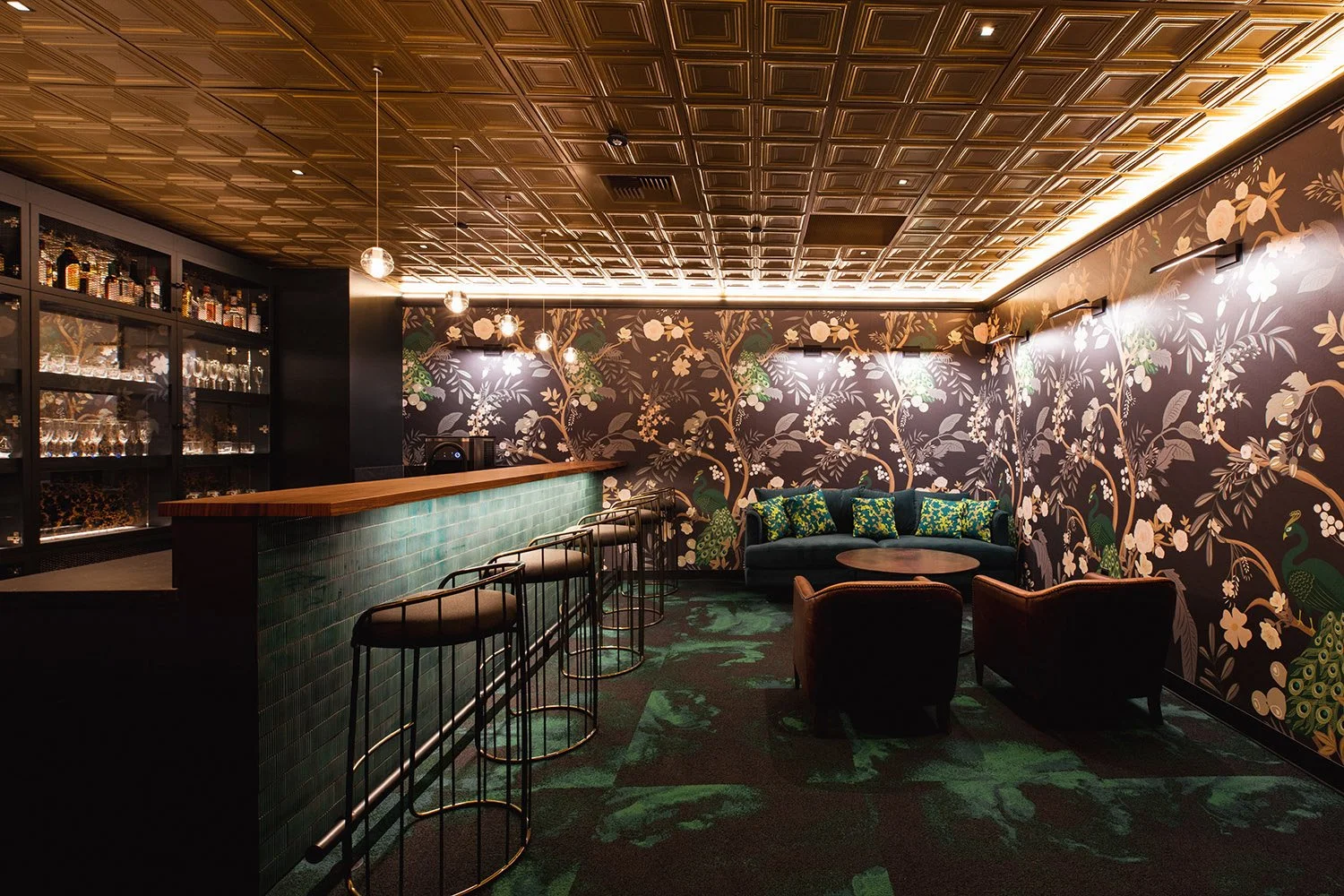
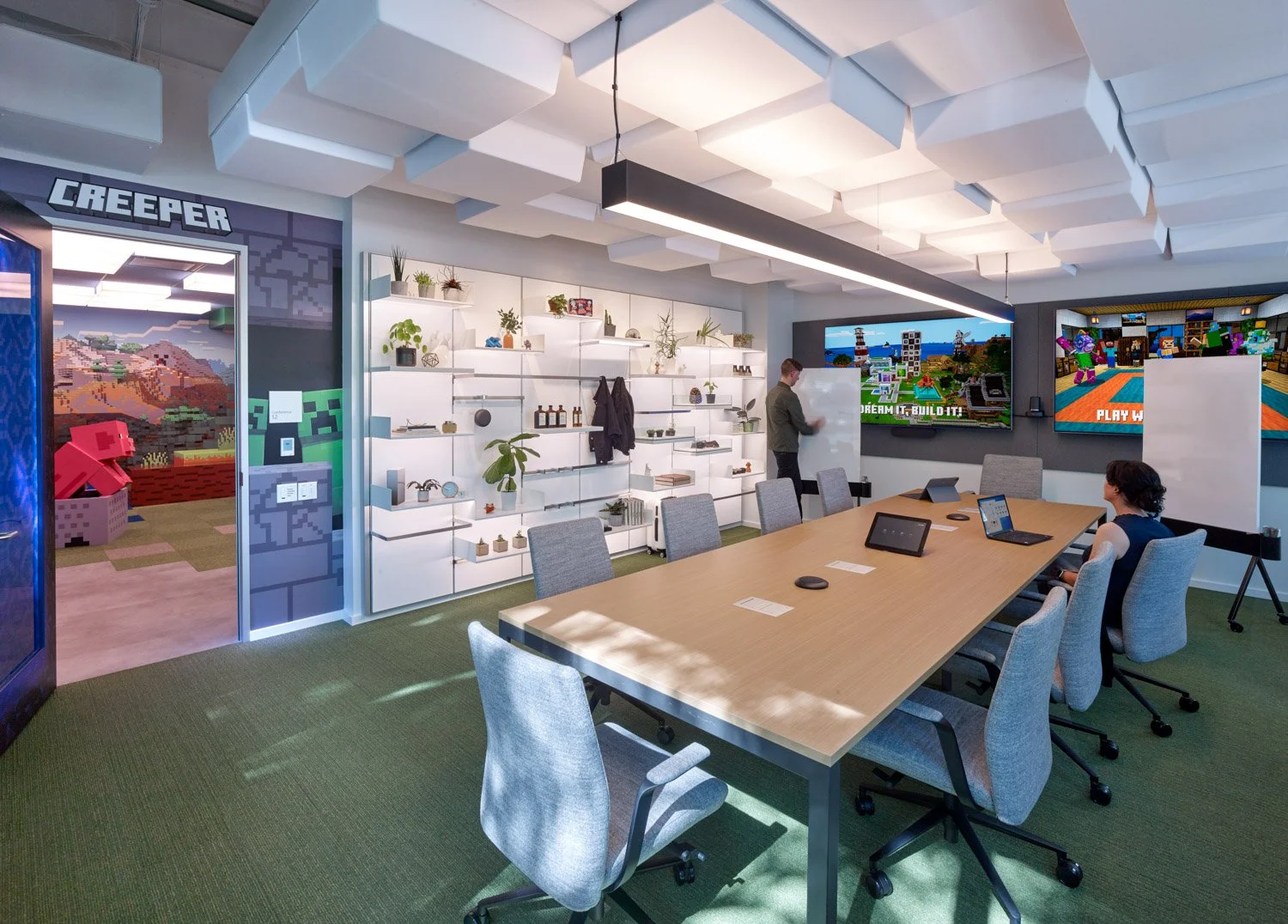
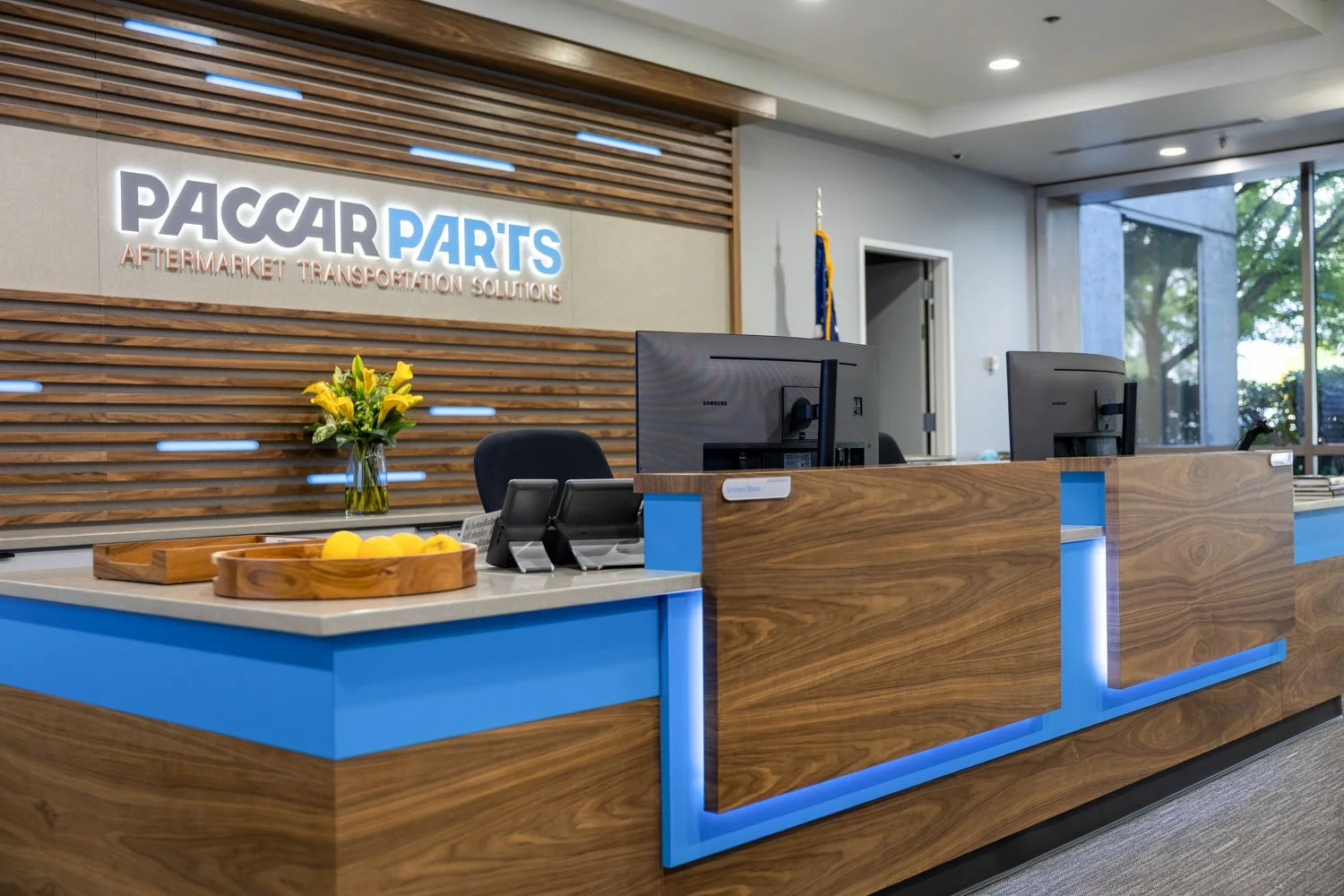
Branded environments are physical spaces, created with the intention to showcase a company’s identity using specific design elements. Some environmental and design elements that a branded space may include to showcase a company’s values and identify are logos, typography, imagery, graphics, and color.
What Do Branded Environments Look Like?
How a branded environment is designed and looks depends on the company’s branding style, the layout of the space, and the company’s goals.
Companies can add as much or as little of their brand identity into the space, which will then contribute to the type of emotional connection that visitors have with the organization.
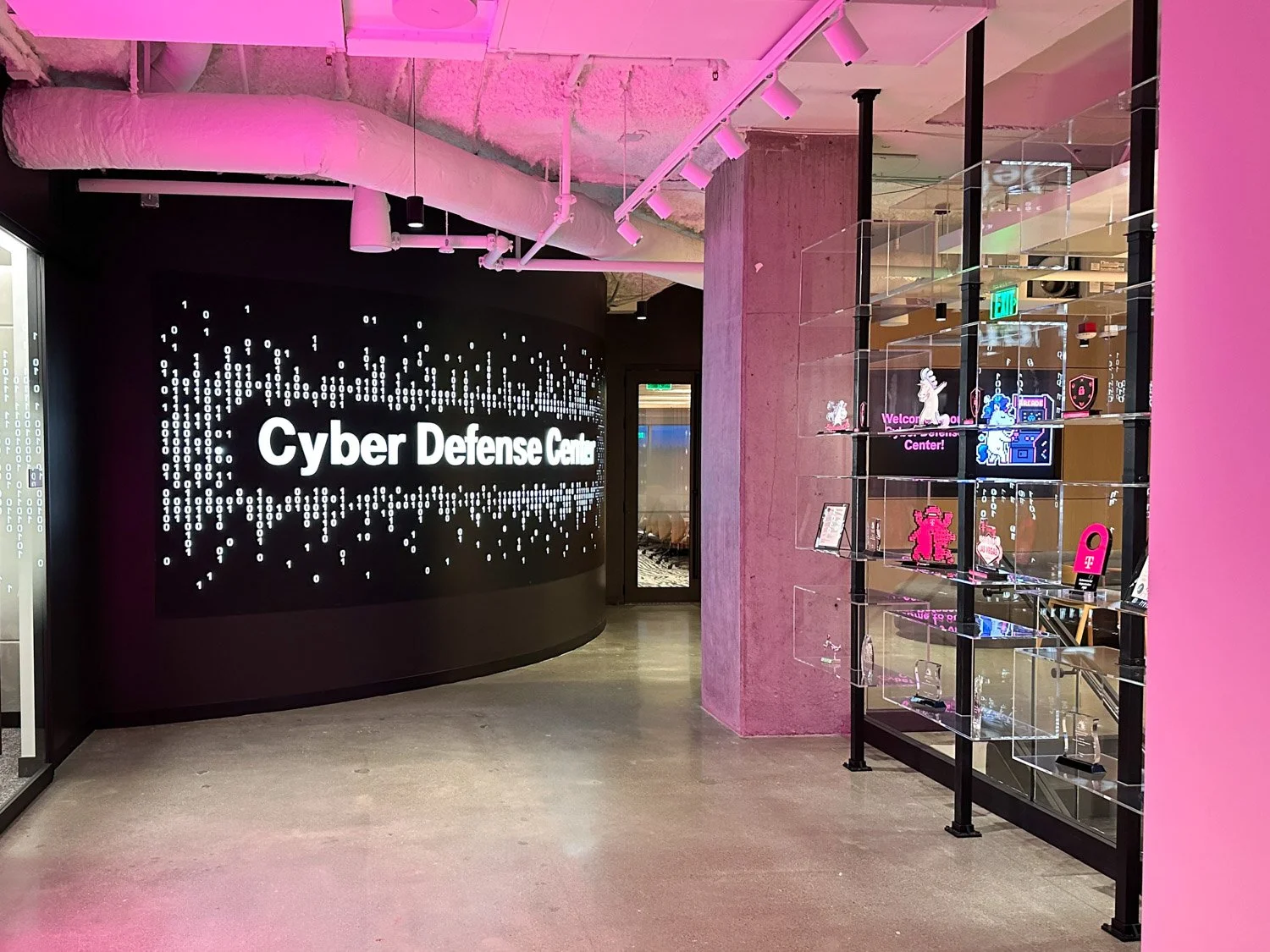
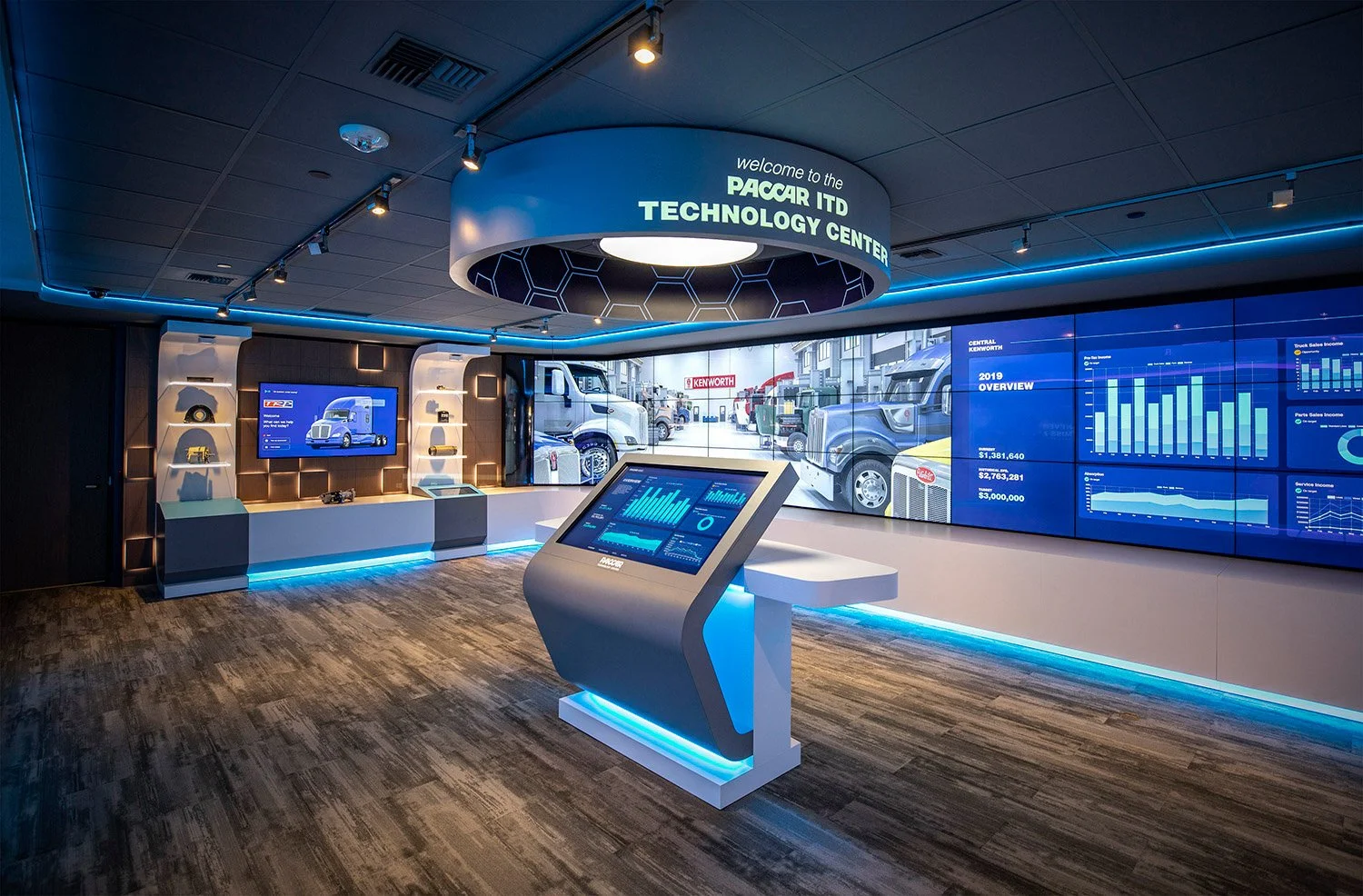
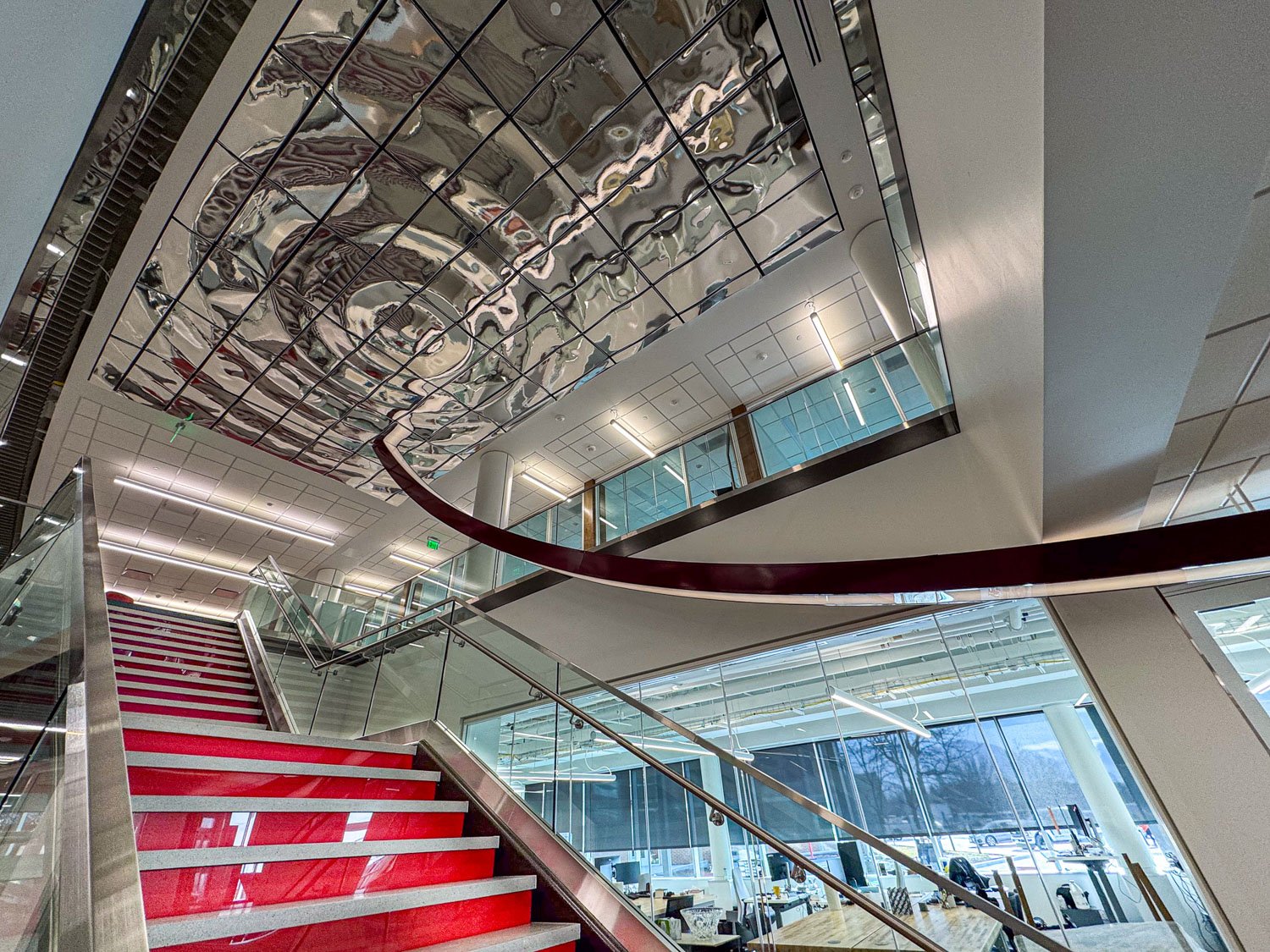
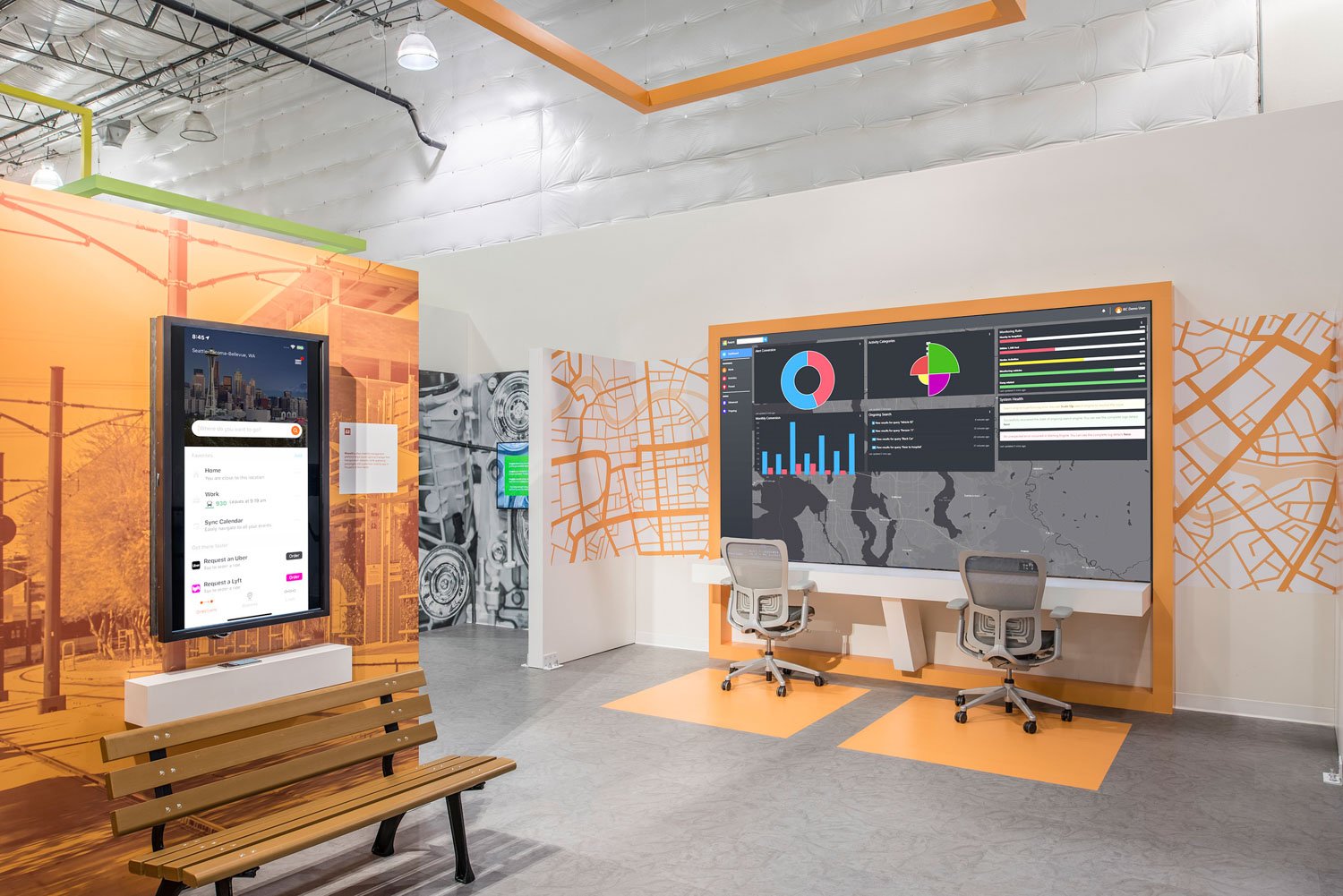
The Impact of Branded Environments: Shaping Emotional Connections
A branded environment isn’t just a nicely decorated space with corporate branding–it’s an opportunity to create emotional connections with people.
The way a space is designed and laid out can have an impact on someone’s mood and behavior. In fact, according to the American Society of Interior Designers, design has neuropsychological impacts, shaping our physical comfort, psychological safety, and emotional fulfillment.
Before you start creating a new branded environment, you should answer these questions:
What is your goal for space?
Who is the space intended for?
What story do you want to tell?
What emotional response do you want people to walk away with?
Answering these questions can help you in shaping the type of emotional connection you make with people. Because when an environment has been designed with intention and strategy, you’ll achieve more than just a refreshed branded space.
Your company story is unique and how you tell it through thoughtful design choices matters. Let’s dive deeper into the components that make up a branded environment and the role they have in shaping emotional connections.
The Components in Branded Environments
There are many types of components that contribute to creating brand environments that shape the overall customer or visitor experience. Below is a list of those components and the impact they have in a space:
Architecture
The walls, ceiling, flooring, window types, and layout of a space all act as the foundation in any branded environment. Depending on the area you want to add branding to, you may or may not have control over changing these design elements. If the space is leased, then you may be limited to changing the existing design and architecture style.
Lighting
The way lighting is used can influence the way people view your business. Both the type and amount of lighting are factors that need to be considered when designing a branded environment. Finding a balance is important because you don’t want a space too dark or too bright.
Natural light is also a factor to consider when deciding on what type of lights to add in your space. Depending on the number of windows (or lack of windows), natural lighting can change the user’s experience.
Furniture
If a branded area needs furniture, then it’s important to consider the style, the material, and the type of furniture. The furnishings you choose do not have to follow your brand guidelines exactly but should complement the space and any other branding elements you choose to incorporate.
The use of space is also important to consider. Is the area a pass-through like a hallway? Or is the space intended for dwelling and collaborating? If there’s an area that gets a high volume of people passing through, then it might be best to omit items in that area.
Signage
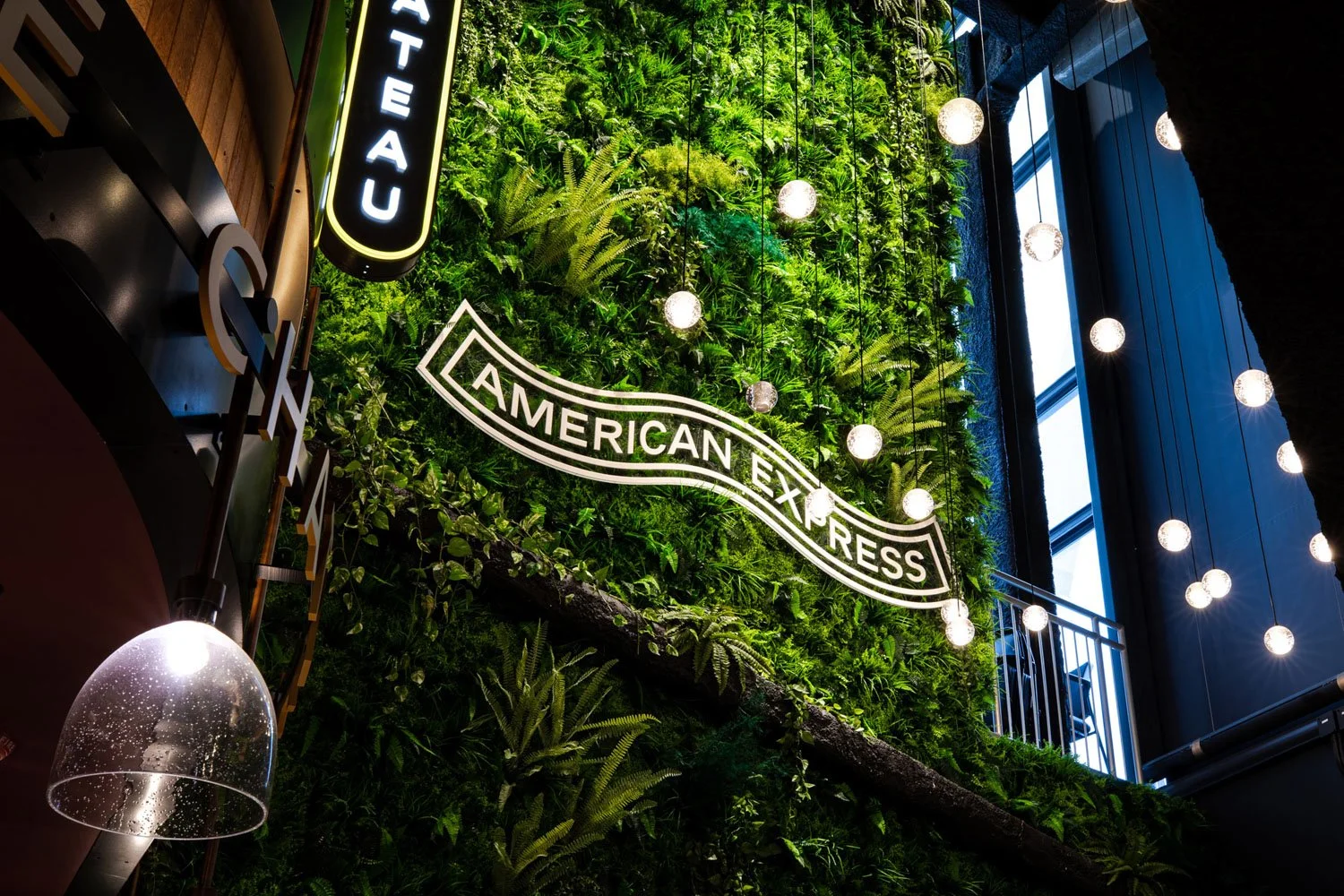
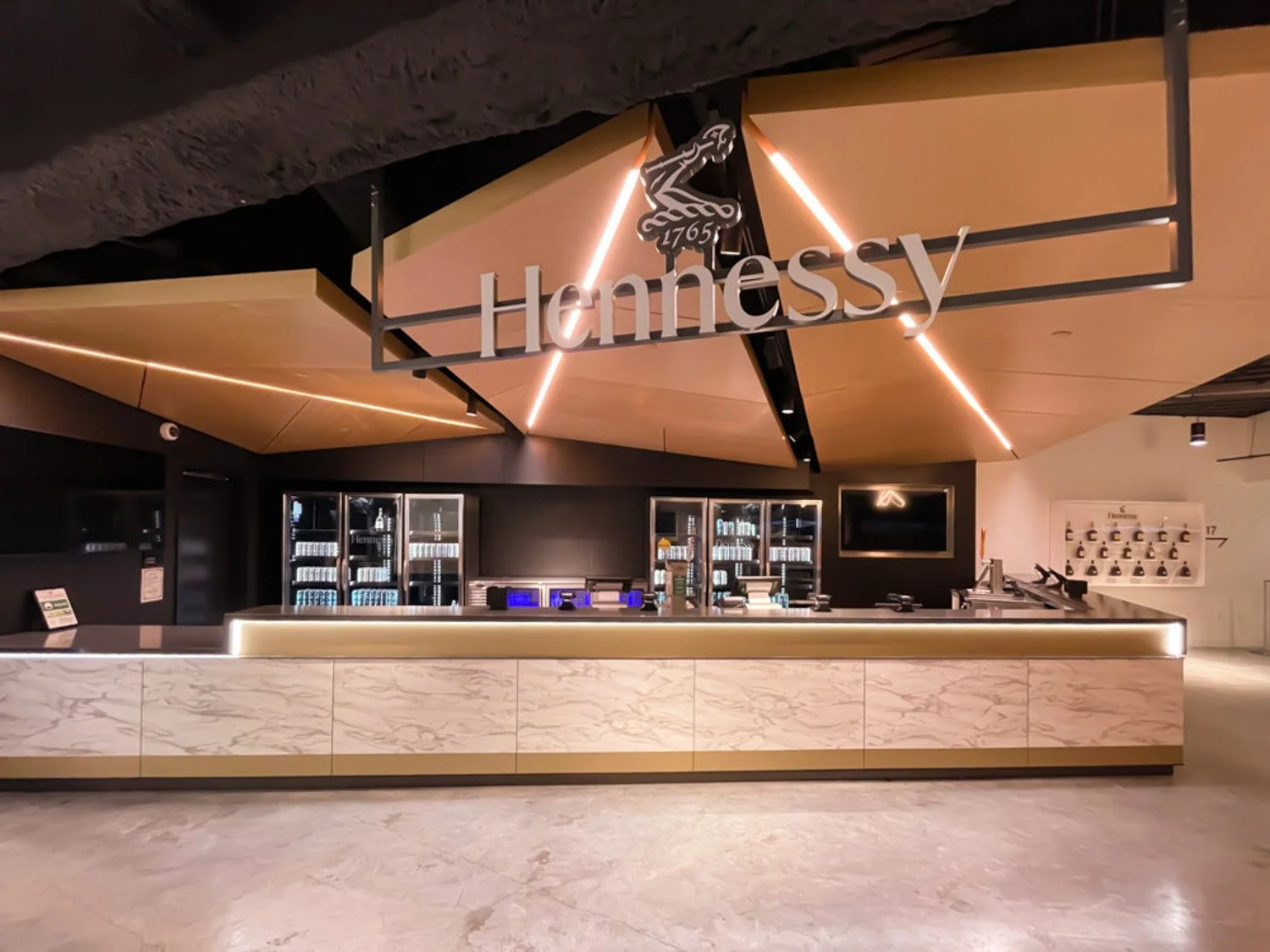
Adding signage to space can work in multiple ways. Wayfinding systems can help people easily navigate. Custom signs of your company logo in a lobby or high traffic area can indicate to people that this area is associated with you. Even digital signage like a video wall or kiosk can add an interactive element for visitors to learn more about you.
Environmental Graphics
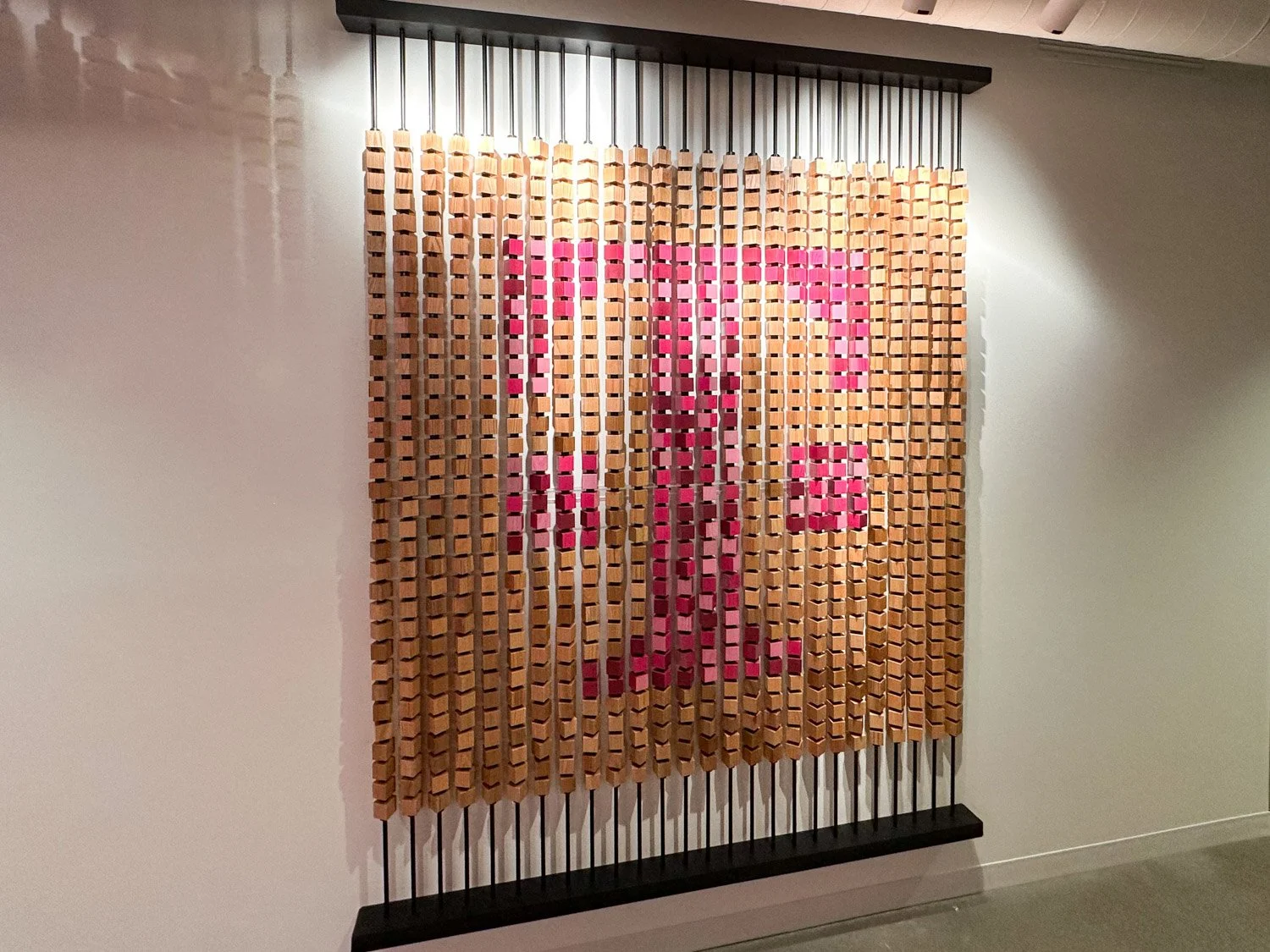
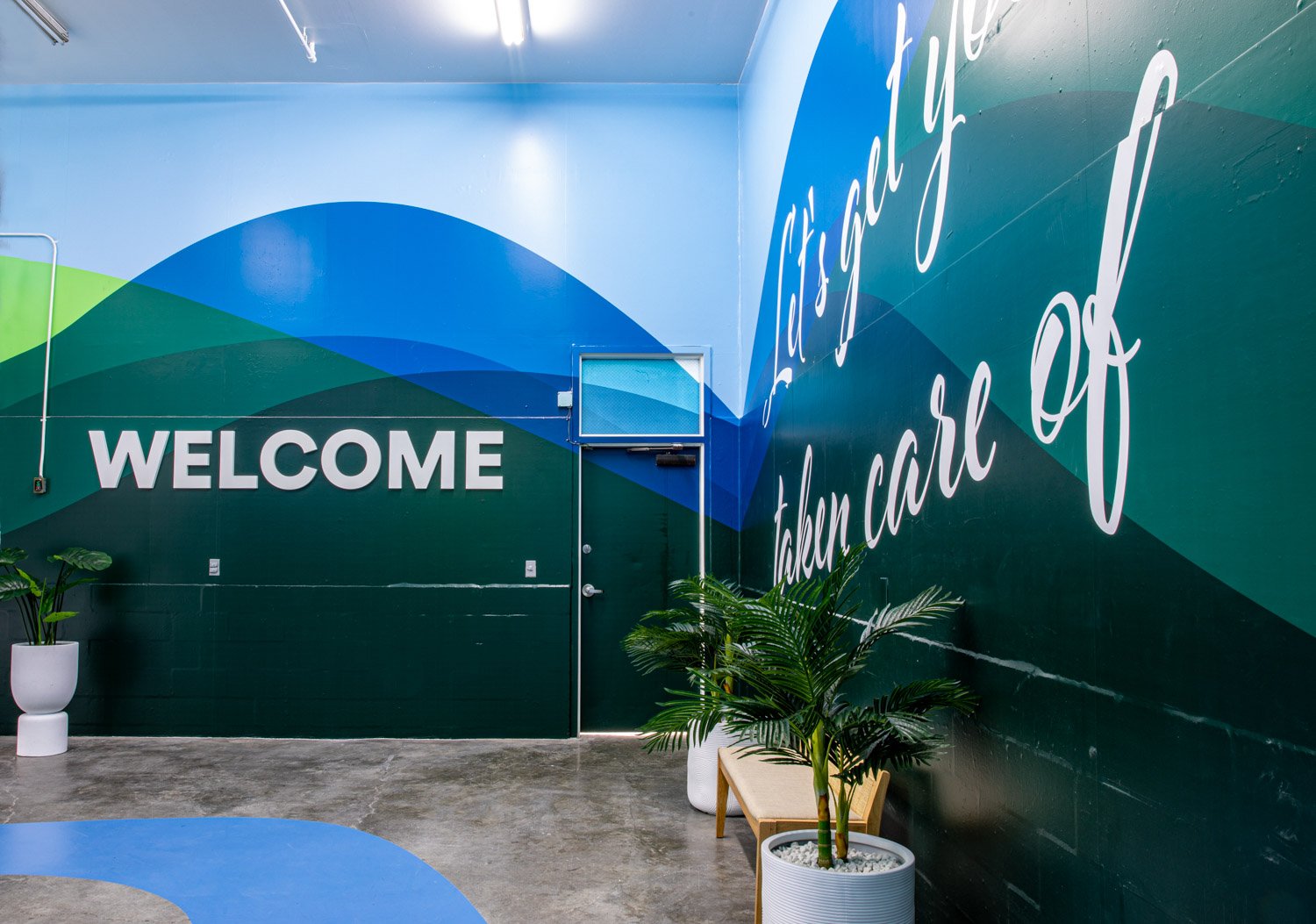
A great way to easily showcase your brand values and story is by using environmental graphics. With an empty wall, you can transform it with large mural graphics. Creating an immersive space can evokes certain emotions or reinforce messaging using imagery, rather than signage.
Technology
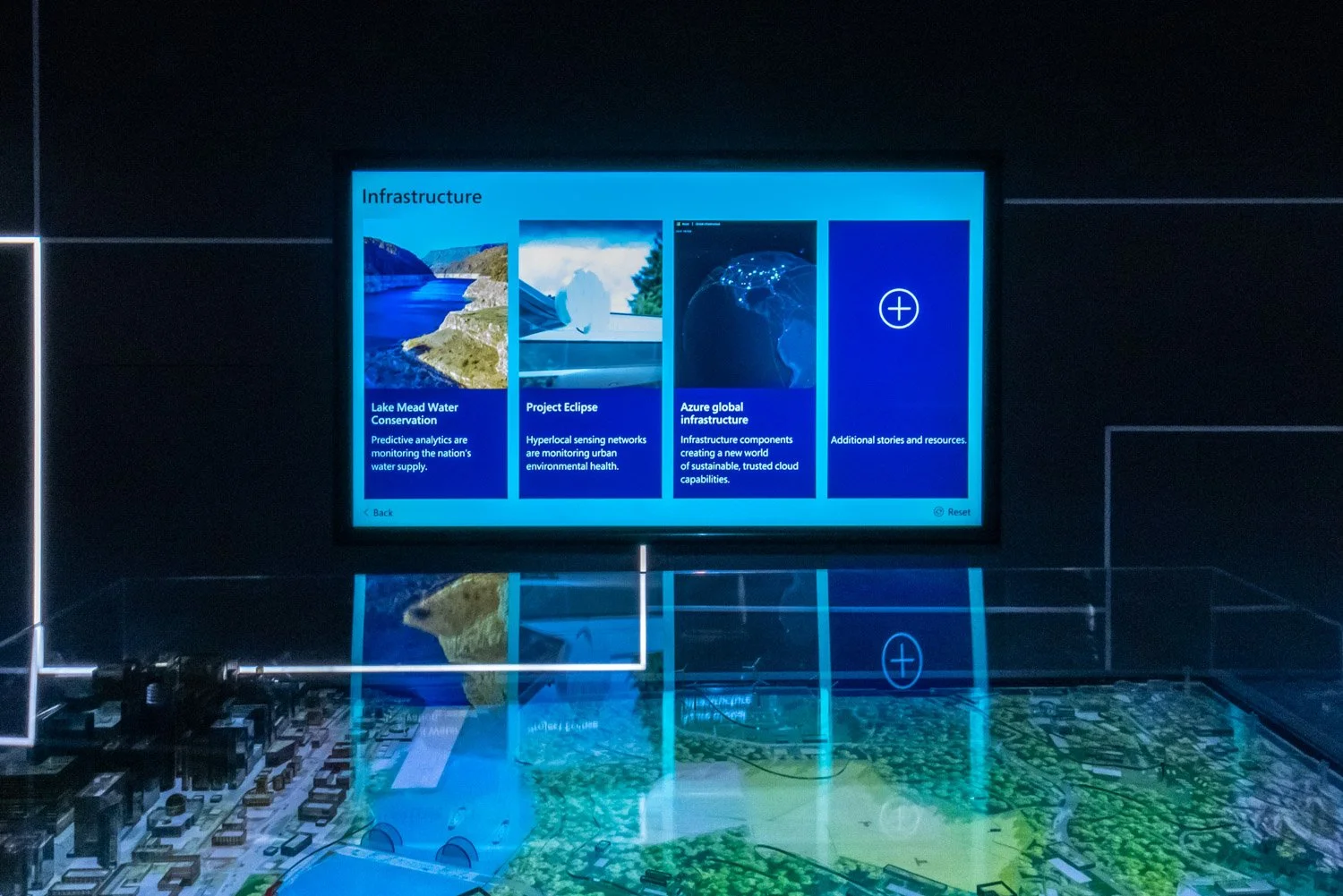
TV monitors, digital displays, video walls, motion and proximity sensors, sound effects, and various other integrated technology in a branded environment can elevate the space into an engaging experience for visitors. Adding interactive elements and digital content can showcase your company’s values and mission, but also your innovation.
Why Branded Environment are Beneficial
There are numerous benefits to having a branded environment. But depending on what you are trying to accomplish, some benefits may relate more to your branding goals. Here are some reasons why branded environments are beneficial:
Inspire Employees: Standard corporate offices with blank beige walls can fail to connect with your employees. But when a workplace incorporates unique interior design and branding elements that work well with the existing architecture of the building, it can improve the office’s environment, energize staff, boost morale, and retention.
Stand Out from Competitors: Typically, a company’s branding will already be different from their competitors. But how you showcase your identity in spaces that should have your branding, will really set you apart from your competitors.
Connect with Customers: In public locations like retail or restaurants, having environmental branding can help with brand recognition. When customers are familiar with your brand’s aesthetic and connect with your mission, it can help increase loyalty, resulting in repeat customers.
Examples of Branded Environments
There are various types of branded environments, and depending on the business, industry, and location, they will serve different functions for their intended audience. Here are a few examples of where branded environments can be found be found:
Offices and Corporate Headquarters
Depending on a company’s working policies, offices are spaces that many people visit frequently. With employees coming into the office to collaborate, it’s important that the environment they are working in inspires them and is also functional.
Expressing a company’s identity and values through office environmental graphics, intentional signage, and using cohesive interior furnishings can make the office more fun and help with employee teamwork and engagement.
Retail
Retail locations are not just about shopping. They are also opportunities for shoppers to connect with your brand’s personality through the decorated atmosphere. In fact, 55% of a brand’s first impression comes from visuals alone.
With large chain stores, it’s common to find the same type of environmental branding and display layout across their locations for consistence and familiarity for shoppers. But for smaller retail locations like small businesses, their branding style will differ based on their own goals.
Restaurants
The type of branding and design choices in restaurants can shape a customer’s dining experience. A recent study found that when people enjoy a meal at a restaurant, the aesthetics of the restaurant’s environment impact the perception and taste of the food served.
Healthcare
In healthcare faculties like hospitals and clinics, their interior design usually consists of elements with nature inspired designs. Their color palette leans towards soft, warm pastels; combined with design elements made of wood to bring a calming presence.
Strategic wayfinding signage is also commonly used to help people navigate in these types of facilities. Environmental graphics like murals, mission, and donor walls can show visitors the organization’s story.
Airports
Several types of environmental branding can be found throughout an airport. The terminals usually have tall ceilings and large windows to let in natural light, with various custom design elements incorporated into the architecture. Restaurants and retail shops throughout airports then have their own unique visual identity shown in their signage and interior design.
Travelers trying to have a stress-free trip can use wayfinding signage to navigation the airport and find their gate easily. Digital signage can be also found throughout airports, especially at gates when flight information changes.
Entertainment Arenas and Stadiums
Not only are many arenas and stadiums named after large brands, but they also have other businesses selling products at concession stands, kiosks, and retail booths. It’s common to find various types of environmental graphics and design elements woven throughout the architectural details of the stadium that are related to the home team and the brands that sponsor them.
Visitor Centers
Whether it’s for a community or a business, visitor centers are another type of built environment where branded designs and graphics will appear. Storytelling elements are common within these types of spaces where visitors can learn more about the organization, engage, and connect.
Executive Briefing Centers
Executive briefing centers are another type of space where storytelling is key. These environments are designed to be immersive and interactive experiences for guests, that can demonstrate technologies, partnership solutions, and product features.
Higher Education Institutions
With environmental branding, colleges like to show school spirit across their campus. Large format graphic elements like murals with a school’s colors, logos, and branding are often found throughout campuses, to reinforce emotional ties and brand association with students.
Virtual Branded Environments
In today’s digital world, brand environments can also be virtual experiences. If a company wants a virtual environment, then incorporating their branding and unique design assets into the virtual space can connect with their audience in a digital setting.
Creating Branded Environment to Make Meaningful Connections
One of the first places people may interact with your business is in a physical environment. When the signage, graphics, lighting, and other design elements work together, it can not only impress them but drive a deeper connection, influencing their emotional reaction to your organization.
Creating a space that's immersive and truly connects with people involves strategically incorporating your brand's visual identity for a positive overall user experience.
At ImagiCorps, we specialize in designing, fabricating, and installing jaw-dropping branded environments. Our end-to-end approach allows us to create memorable physical spaces for our clients.
Whether it’s corporate offices, visitor centers, innovation centers, experience centers, technology hubs, or any environment that requires your branding, we can help you create a space that's cohesive and authentic to your brand’s identity.
Enhance Your Branded Spaces Today
Want a custom branded environment that shows your visual identity and connects with your target audience?
Connect with ImagiCorps today to learn more about our creative and fabrication services and how we deliver impressive branded environments, designed and built with quality and intention.